
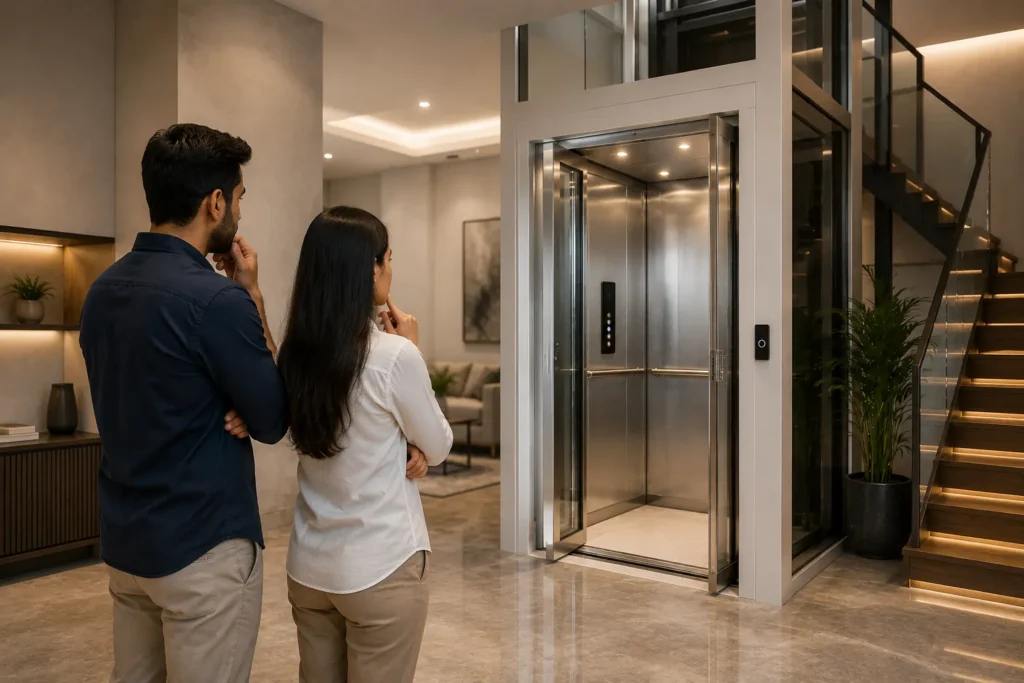
How to Choose the Right Elevator for Your Building
Choosing an elevator is an important decision for any multi-storey building. The right lift can make daily movement easier, improve accessibility, and support the practical needs of residents, employees, visitors, or customers. However, selecting an elevator should not be based only on its appearance or purchase price.
Building type, passenger traffic, number of floors, available space, required capacity, speed, safety features, installation conditions, and long-term maintenance should all be considered before making a decision.
If you are wondering how to choose the right elevator, the best approach is to first understand your building's requirements and then compare suitable elevator solutions.
Start With Your Building Type
The first step in an elevator selection process is identifying the type of building where the lift will be installed.
Different buildings have different transportation requirements.
Residential Buildings
Apartment buildings, private residences, and housing projects generally require convenient and reliable passenger transportation. The number of residents, floors, available space, and expected daily usage can help determine the appropriate elevator configuration.
Commercial Buildings
Offices, shopping complexes, hotels, and other commercial properties may experience higher passenger traffic. In such buildings, capacity, speed, door operation, reliability, and traffic management become particularly important.
Hospitals and Healthcare Buildings
Hospitals have additional requirements because elevators may need to accommodate patients, attendants, medical staff, and equipment. The lift should therefore be selected according to the specific movement requirements of the facility.
Industrial Buildings
Industrial properties may require specialized elevator or lift solutions depending on whether the primary requirement is passenger transportation, goods movement, or a combination of both.
Understanding the building's purpose is the starting point for choosing the right elevator for your building.
Estimate the Expected Passenger Traffic
The number of people using the elevator every day is another important consideration.
A small residential building may have significantly lower traffic than a busy office or commercial complex. Similarly, an elevator serving several floors may have different requirements from one installed in a low-rise building.
Consider:
-
Number of residents or employees
-
Expected visitors
-
Peak operating hours
-
Number of floors
-
Number of elevators required
-
Frequency of daily trips
Selecting capacity based only on the number of floors may not be enough. Passenger traffic should also be considered when determining the most suitable elevator.
Select the Appropriate Elevator Capacity
Elevator capacity refers to the maximum passenger load that the elevator is designed to carry.
The appropriate capacity depends on the building's usage and expected passenger traffic. Choosing a lift with insufficient capacity can result in overcrowding and longer waiting times, while unnecessarily selecting a very large capacity may not be practical for every building.
A professional elevator company can assess your building and recommend an appropriate capacity based on the project requirements.
For example, residential, office, hotel, and hospital buildings may each require different passenger capacity considerations.
Consider the Number of Floors and Travel Distance
The height of the building has a direct influence on elevator selection.
Before installation, consider:
-
Number of floors
-
Number of stops
-
Total travel distance
-
Floor-to-floor height
-
Expected passenger traffic
-
Required travel time
A lift for a low-rise residential building may have different requirements from an elevator serving a multi-storey commercial property.
This is why elevator selection should happen during the building planning stage whenever possible.
Compare Different Types of Elevators
There is no single elevator type that is ideal for every building. Different technologies and configurations are designed for different applications.
Depending on the project, options may include:
-
Passenger elevators
-
Home elevators
-
Hospital elevators
-
Capsule elevators
-
Hydraulic elevators
-
Machine-room-less elevators
-
Goods or industrial lifts
-
Vehicle lifts
When comparing types of elevators for buildings, consider the building design, available space, expected usage, installation requirements, and long-term operating needs.
The goal is not to choose the most advanced elevator available, but to choose the system that is appropriate for your actual requirements.
Check Available Space and Installation Requirements
Available space can influence elevator selection significantly.
Before choosing an elevator, the building team should evaluate the space available for the shaft, landing entrances, machine-room requirements where applicable, pit, overhead space, and associated equipment.
Existing buildings can present additional challenges because the elevator needs to be integrated into an already-developed structure.
A site assessment by an experienced elevator professional can help identify practical installation requirements before the final model is selected.
Choose the Right Elevator Speed
Elevator speed should be selected according to building height, passenger traffic, and expected usage.
A low-rise residential building may not require the same speed as a busy commercial property with many floors.
When considering elevator speed for buildings, the objective should be efficient passenger movement rather than simply selecting the highest available speed.
The right combination of capacity, speed, door operation, and control system can provide a better experience for passengers.
Don't Compromise on Safety Features
Safety should be one of the most important factors in any elevator purchase.
Depending on the elevator design and applicable requirements, safety-related features may include:
-
Door safety systems
-
Emergency communication
-
Alarm systems
-
Sensors
-
Emergency rescue features
-
Appropriate control systems
-
Overload protection
-
Other relevant safety mechanisms
Building owners should ask the elevator company to explain the safety systems available for the proposed installation.
It is also important to ensure that installation, inspection, and maintenance are handled by appropriately qualified professionals.
Consider Long-Term Operating Costs
The initial purchase price is only one part of the total cost of owning an elevator.
Before making a decision, consider:
-
Installation costs
-
Electricity consumption
-
Regular maintenance
-
Replacement of components
-
Service requirements
-
Expected operating conditions
-
Long-term reliability
A slightly different elevator configuration may have a different long-term cost profile. Therefore, building owners should compare the complete lifecycle requirements rather than selecting an elevator solely on the lowest initial quotation.
Check Installation and Maintenance Support
A reliable elevator requires more than the equipment itself. Professional installation and ongoing maintenance are important parts of the overall project.
Before selecting an elevator company, ask about:
-
Installation process
-
Service availability
-
Maintenance plans
-
Response to breakdowns
-
Spare parts availability
-
Warranty terms
-
Technical support
Good after-sales support can make elevator ownership easier, particularly for buildings where the lift is used frequently.
Residential vs Commercial Elevator Selection
The best elevator for a residential property may not be the best choice for a commercial building.
Residential Elevator
For residential applications, factors such as comfort, available space, appearance, passenger capacity, noise, and ease of use may receive greater attention.
Commercial Elevator
Commercial buildings generally need to consider passenger traffic, capacity, speed, durability, operating hours, and waiting time.
Therefore, when considering residential elevator selection or commercial elevator selection, the building's actual usage should always be the starting point.
Questions to Ask Before Buying an Elevator
Before finalizing an elevator, building owners or managers should ask the manufacturer or supplier:
-
What elevator type is suitable for this building?
-
What capacity is recommended?
-
What speed is appropriate?
-
How much space is required?
-
What are the installation requirements?
-
Which safety features are included?
-
What maintenance will be required?
-
What is included in the warranty?
-
Is after-sales service available?
-
What are the expected long-term operating costs?
Getting clear answers to these questions can make the selection process more transparent.
Why Professional Guidance Matters
Every building has different structural and operational requirements. A solution that works well in one property may not be suitable for another.
An experienced elevator professional can review the building layout, understand passenger requirements, discuss available options, and recommend a suitable configuration.
Professional guidance is particularly useful when planning an elevator for an existing building, where shaft space, pit depth, overhead clearance, and structural modifications may need careful consideration.
Frequently Asked Questions
How do I choose the right elevator for my building?
Start by evaluating the building type, number of floors, passenger traffic, required capacity, available space, speed, safety requirements, budget, and long-term maintenance needs.
Which elevator is best for a residential building?
The suitable option depends on the building's size, passenger requirements, available installation space, design preferences, and expected usage. A professional site assessment can help determine the appropriate solution.
Which elevator is best for a commercial building?
Commercial buildings often require elevators designed around higher passenger traffic. Capacity, speed, reliability, door operation, and expected operating hours should be considered before selection.
How much elevator capacity does a building need?
Capacity depends on the number of passengers, building type, expected traffic, number of floors, and usage pattern. The appropriate capacity should be determined as part of the overall elevator planning process.
What should I check before installing an elevator?
Check the available shaft and installation space, pit and overhead requirements, electrical needs, building structure, capacity, speed, safety features, installation process, and maintenance support.
Does elevator price depend only on capacity?
No. The overall cost can also depend on elevator type, specifications, number of floors, installation conditions, equipment, customization, safety features, and ongoing service requirements.
Conclusion
Choosing an elevator is a long-term decision that should be based on the actual requirements of the building rather than simply choosing the cheapest or most advanced option.
The right selection process considers building type, passenger traffic, capacity, number of floors, elevator technology, available space, speed, safety features, installation requirements, operating costs, and after-sales support.
If you are planning a new elevator installation or replacing an existing system, discuss your project requirements with an experienced elevator professional before making the final decision. A properly planned elevator can provide convenient and reliable vertical transportation while supporting the long-term needs of the building.


